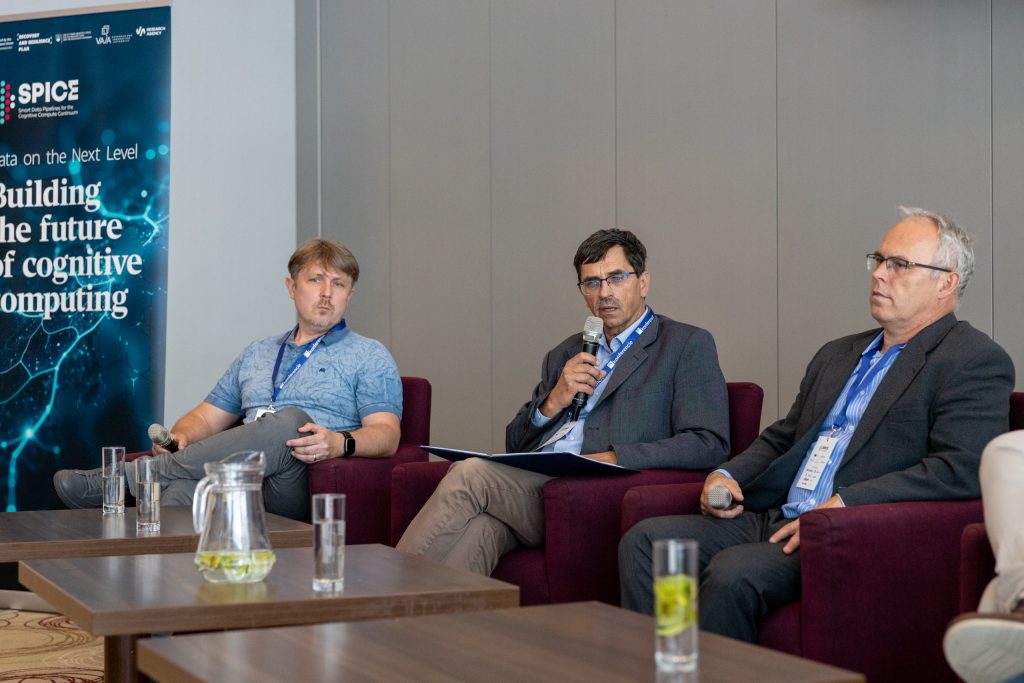
Expert Seminar Process Data Quickly and Efficiently Continues in Žilina

The third SPICE project seminar presented the activities of our transformation and innovation consortium. This time, the talks focused on applying SPICE research in medicine.

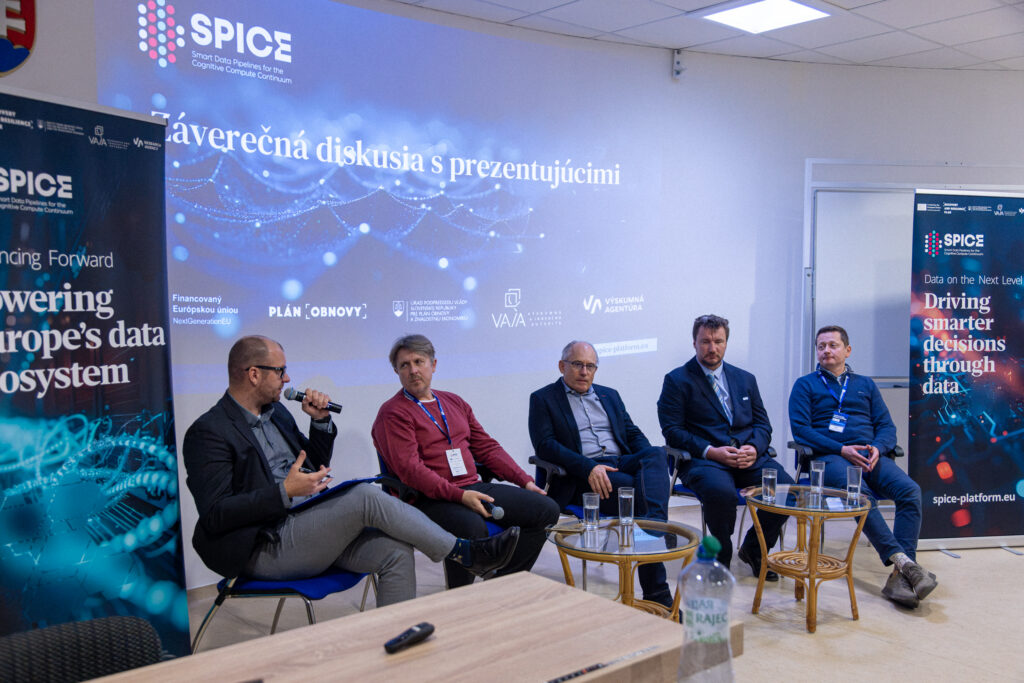
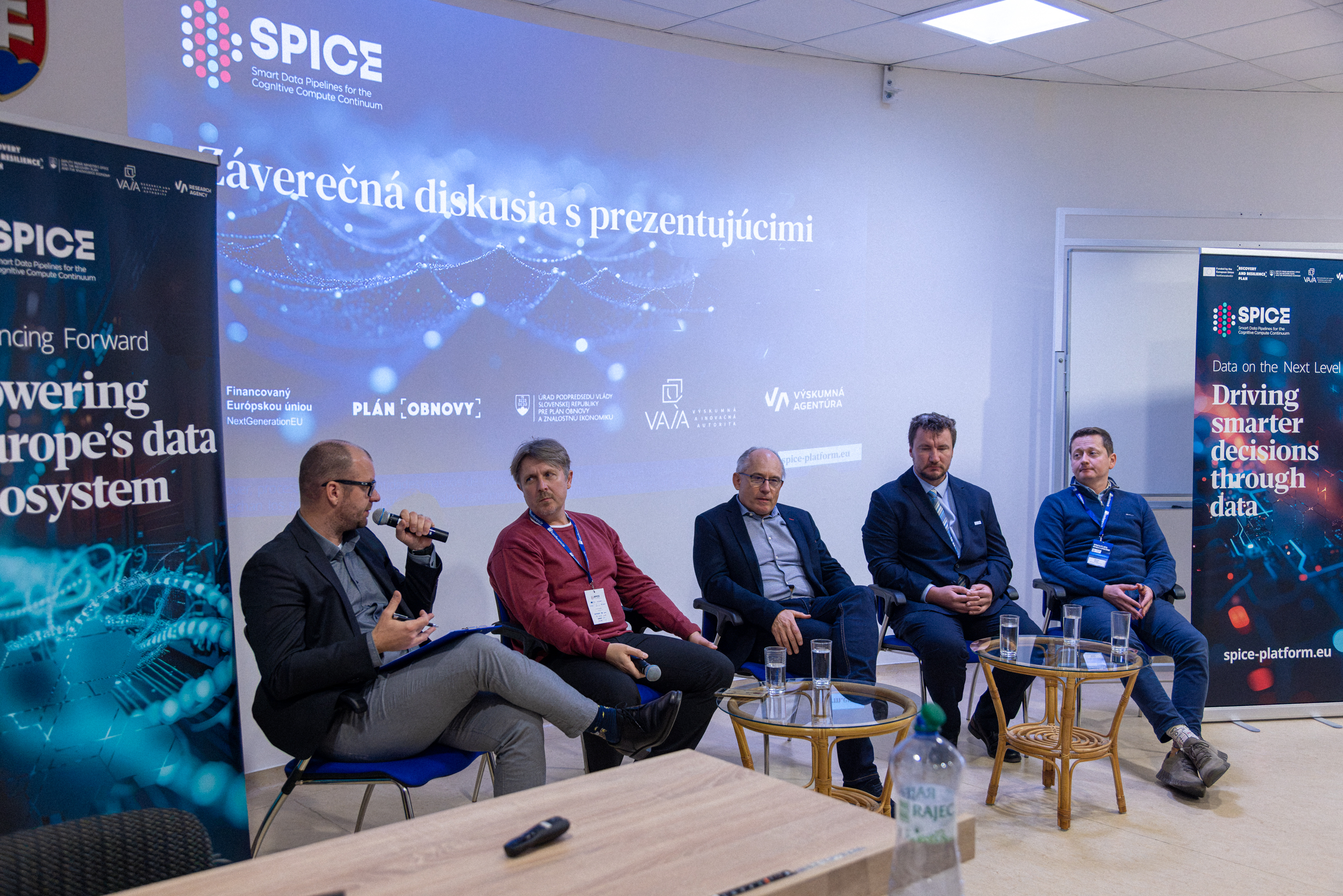
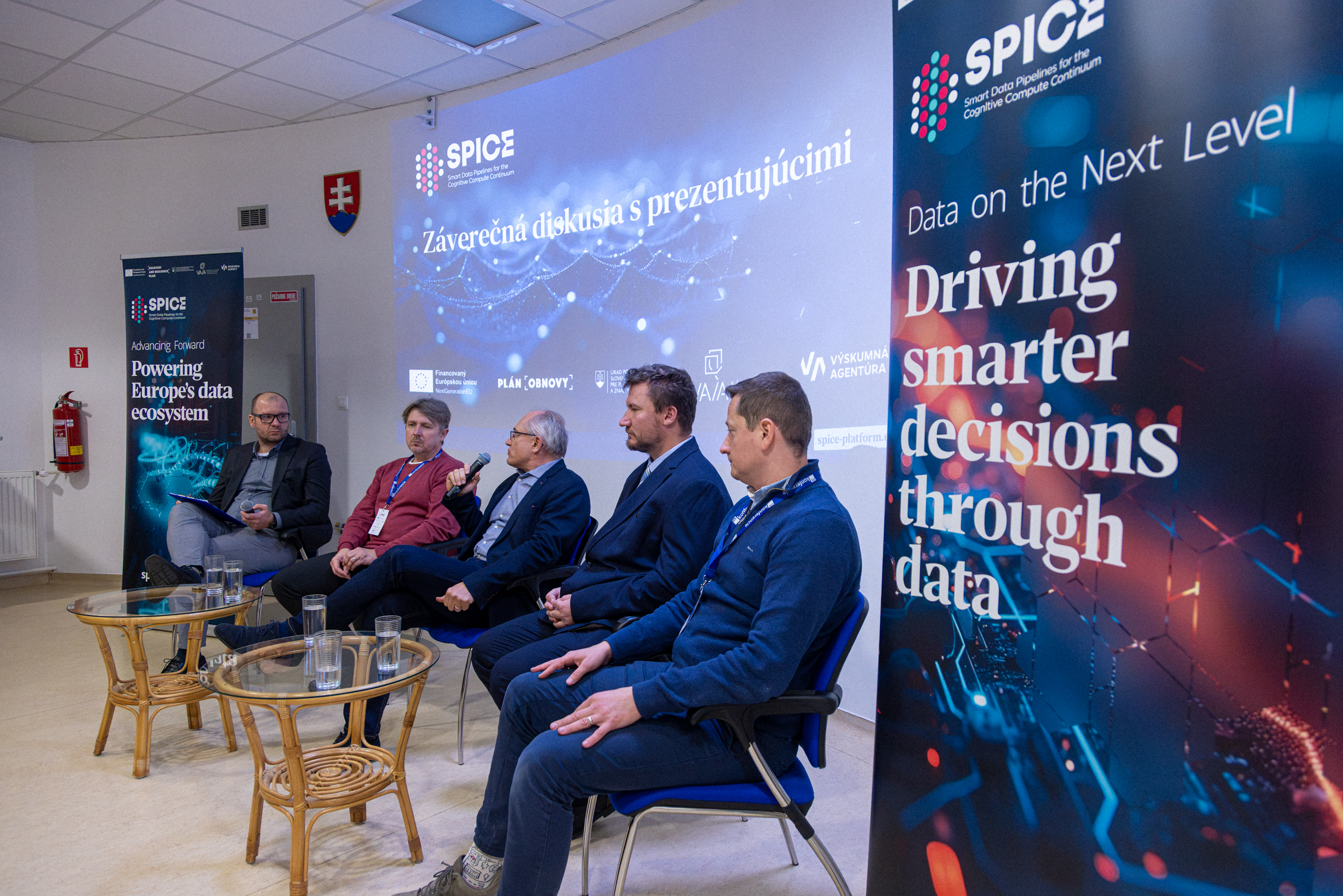
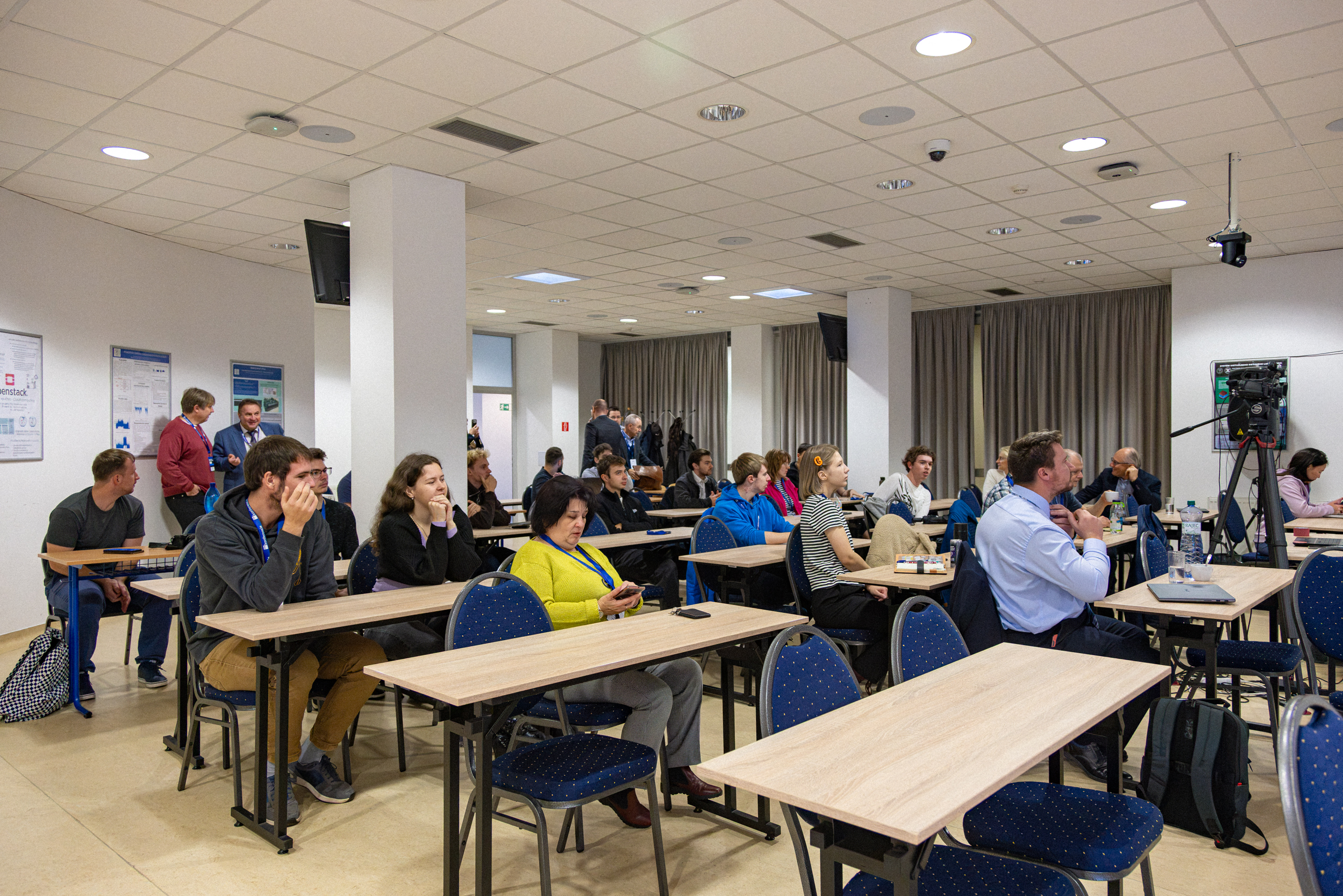
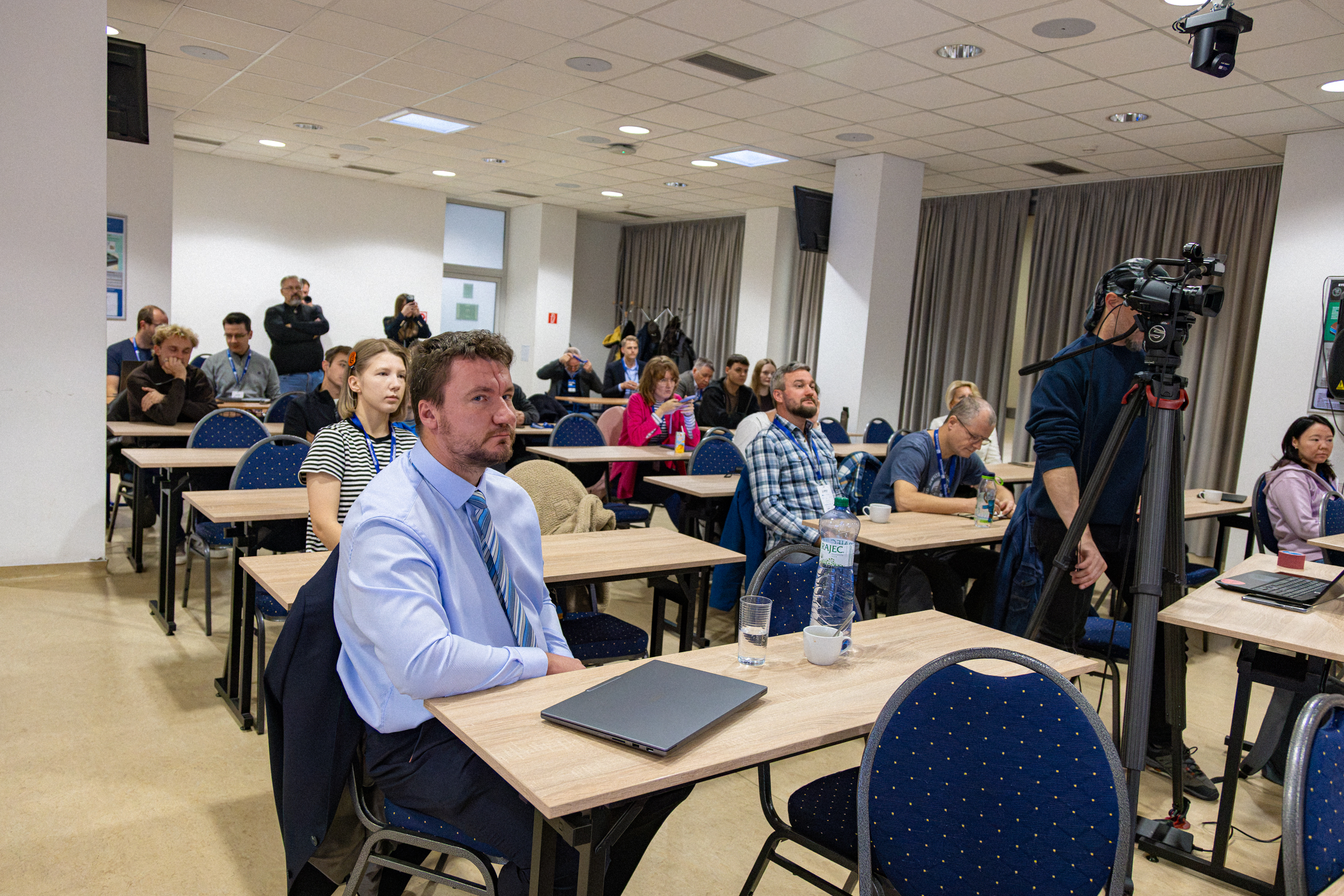
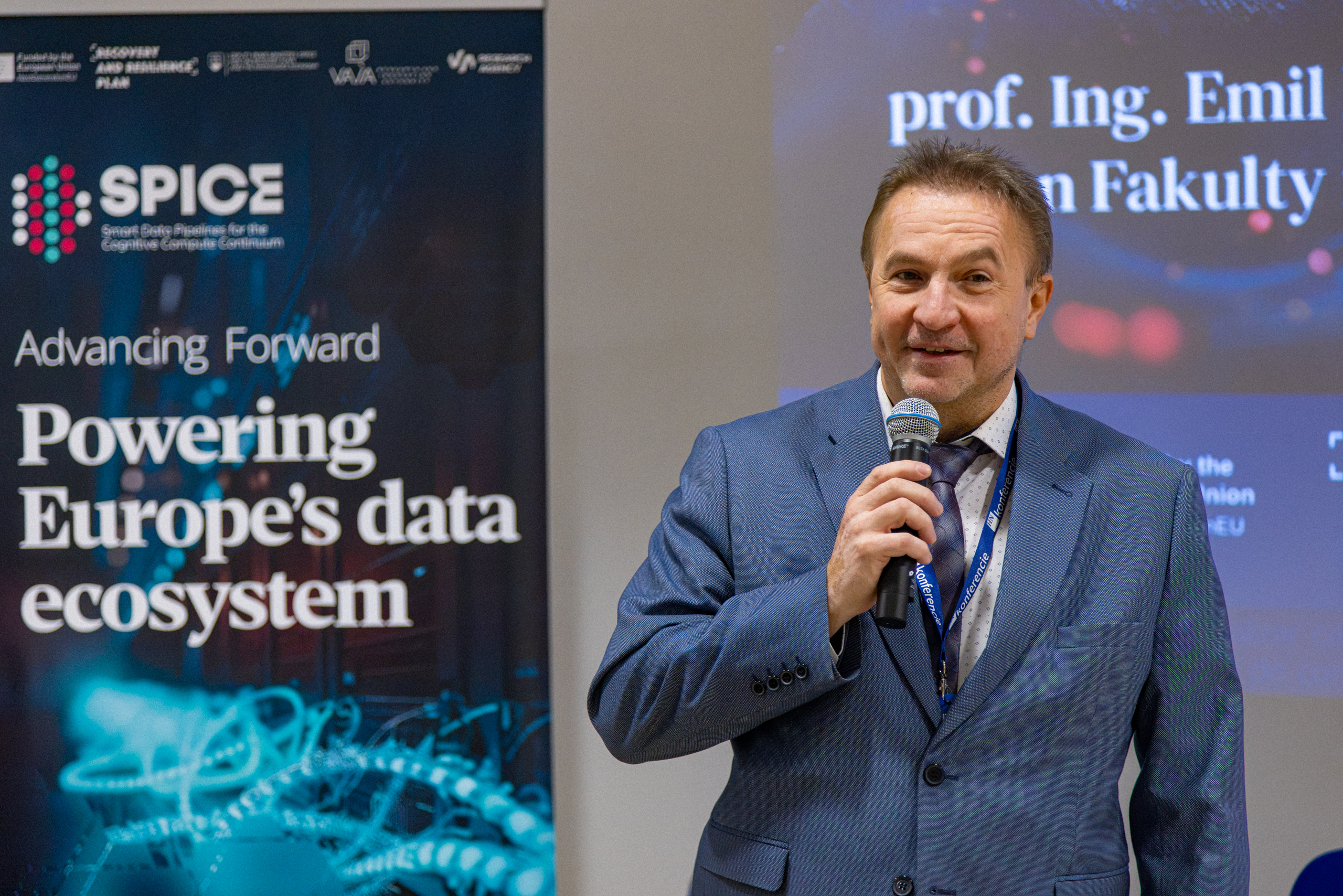
On Friday, 23 October 2026, the Faculty of Management Science and Informatics at the University of Žilina (FRI) hosted the third seminar of the SPICE transformation and innovation consortium (Smart Data Pipelines for the Cognitive Compute Continuum). The event was opened by the Dean of FRI, Emil Kršák.

From the Beginnings to Comprehensive Research

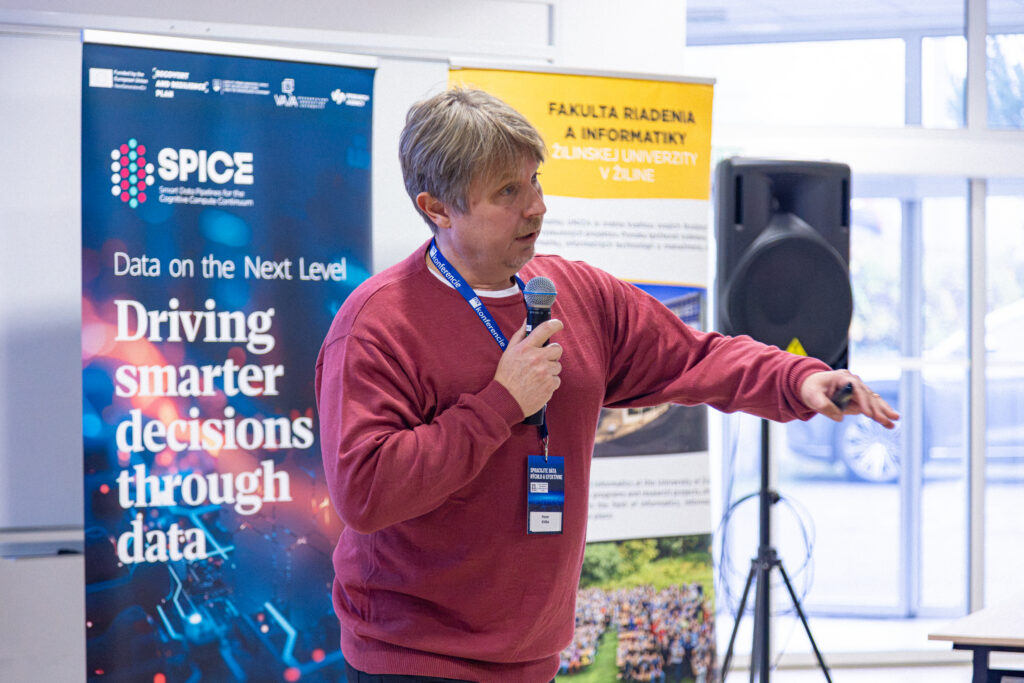
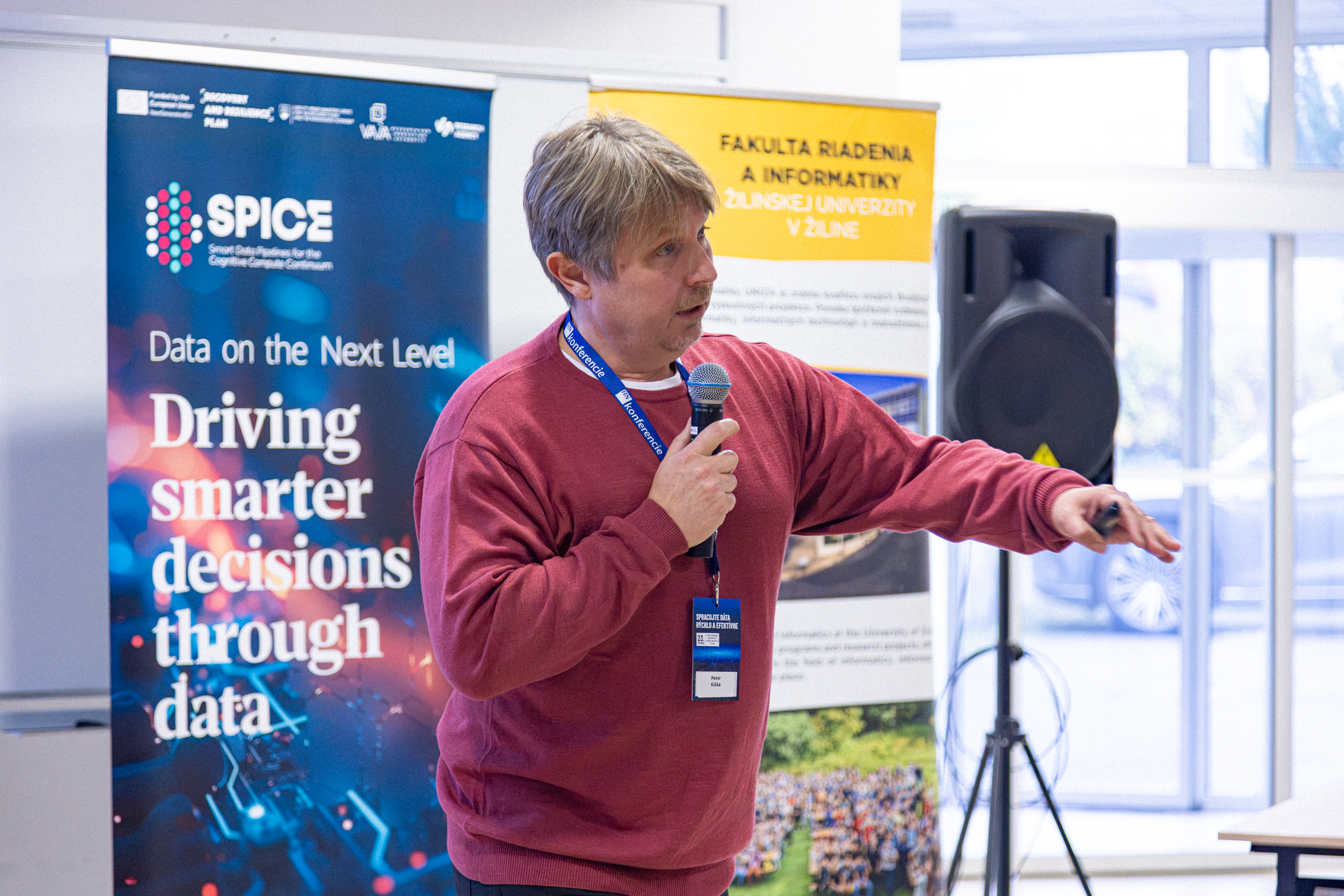
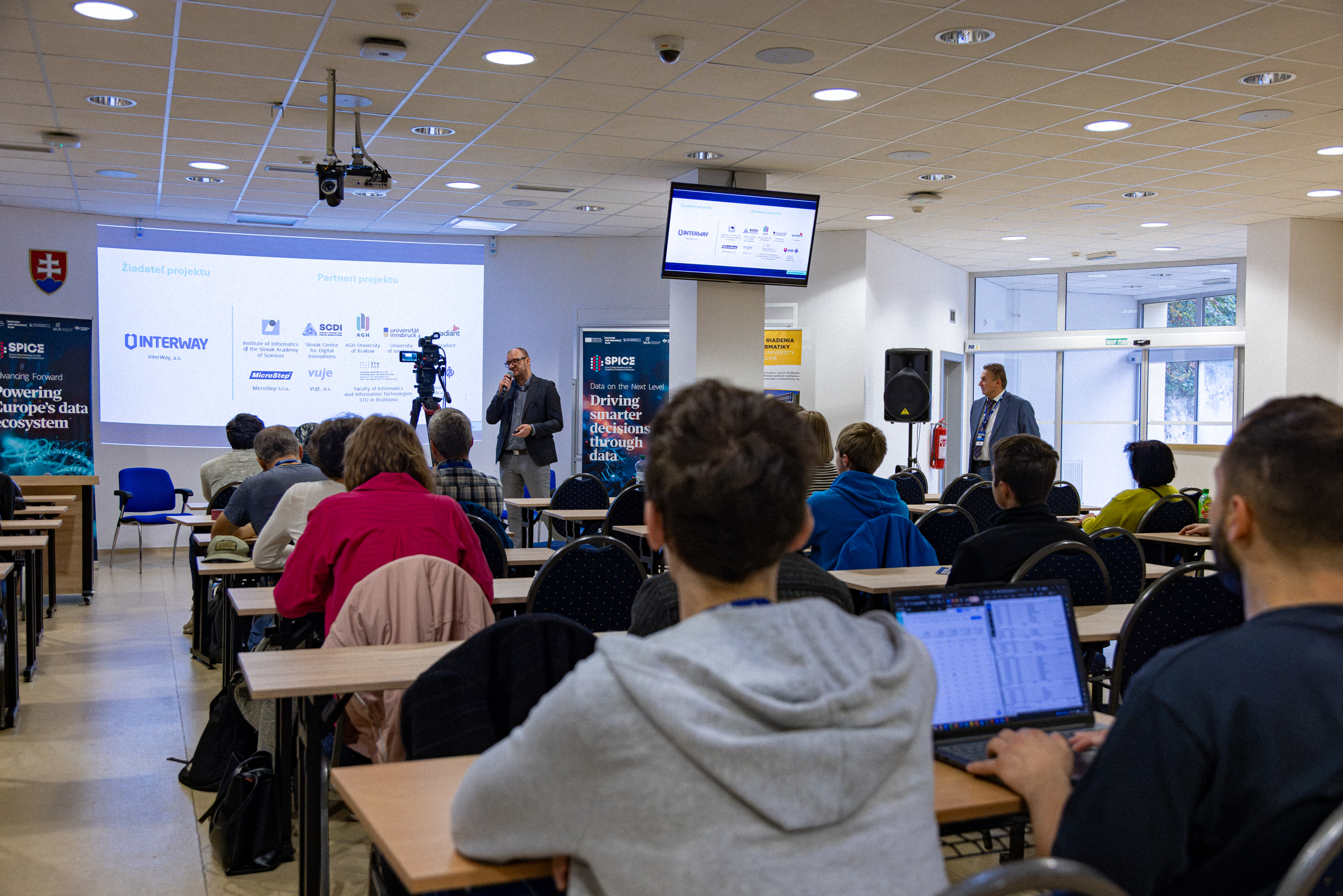
In his first presentation, Peter Kišša of InterWay introduced the project’s origins, development and ambitions to the faculty’s students as well as to industry representatives. The aim is to build a trustworthy AI-driven platform that automates smart data flows across systems and turns scattered information into a basis for timely, strategic decision-making.

The platform is designed to be secure, adaptable and explainable, with automatic resource management and attention to energy consumption. It addresses extreme volumes of heterogeneous data, a lack of trust and data quality, and missing ecosystems for data sharing. It is especially valuable for small and medium-sized enterprises that have data but lack the expertise to analyse it, and for a new generation of data scientists. The partners are also exploring integration with the European Open Science Cloud (EOSC) and the European Common Data Spaces.

The platform is being validated through five use cases:

  • machine data analysis for proactive customer support in fibre laser cutting centres (MicroStep)
  • analytics for energy transmission and distribution (VUJE)
  • predictive models for smart grid management (SCDI)
  • computer vision in radiology for pituitary adenomas (UC4)
  • digital histopathology (UC5)

The PERUN Supercomputer Powers SPICE

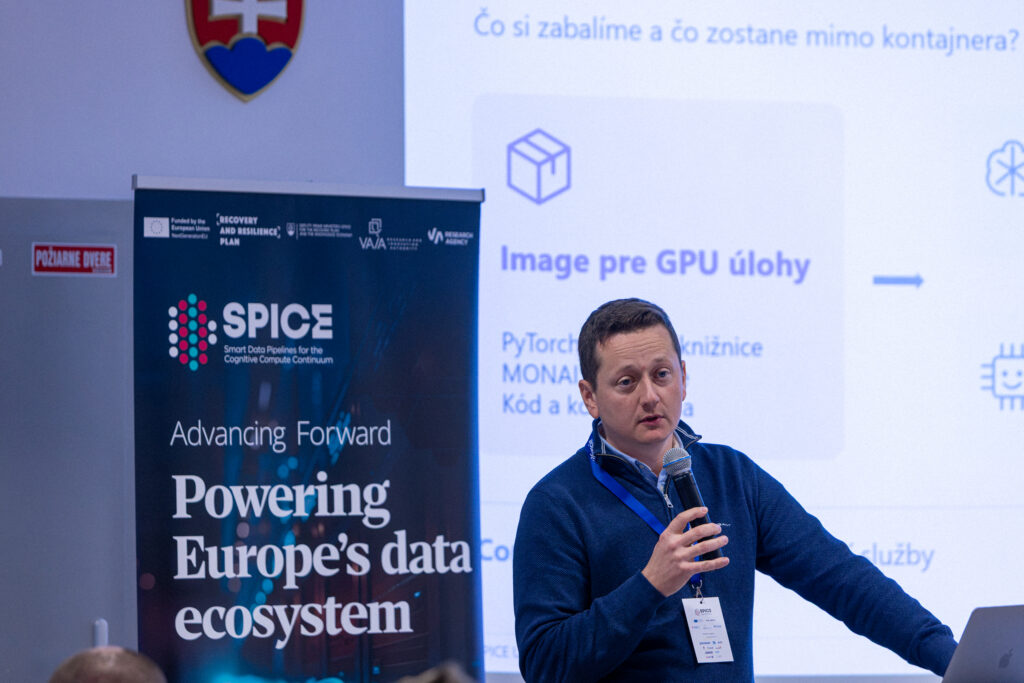
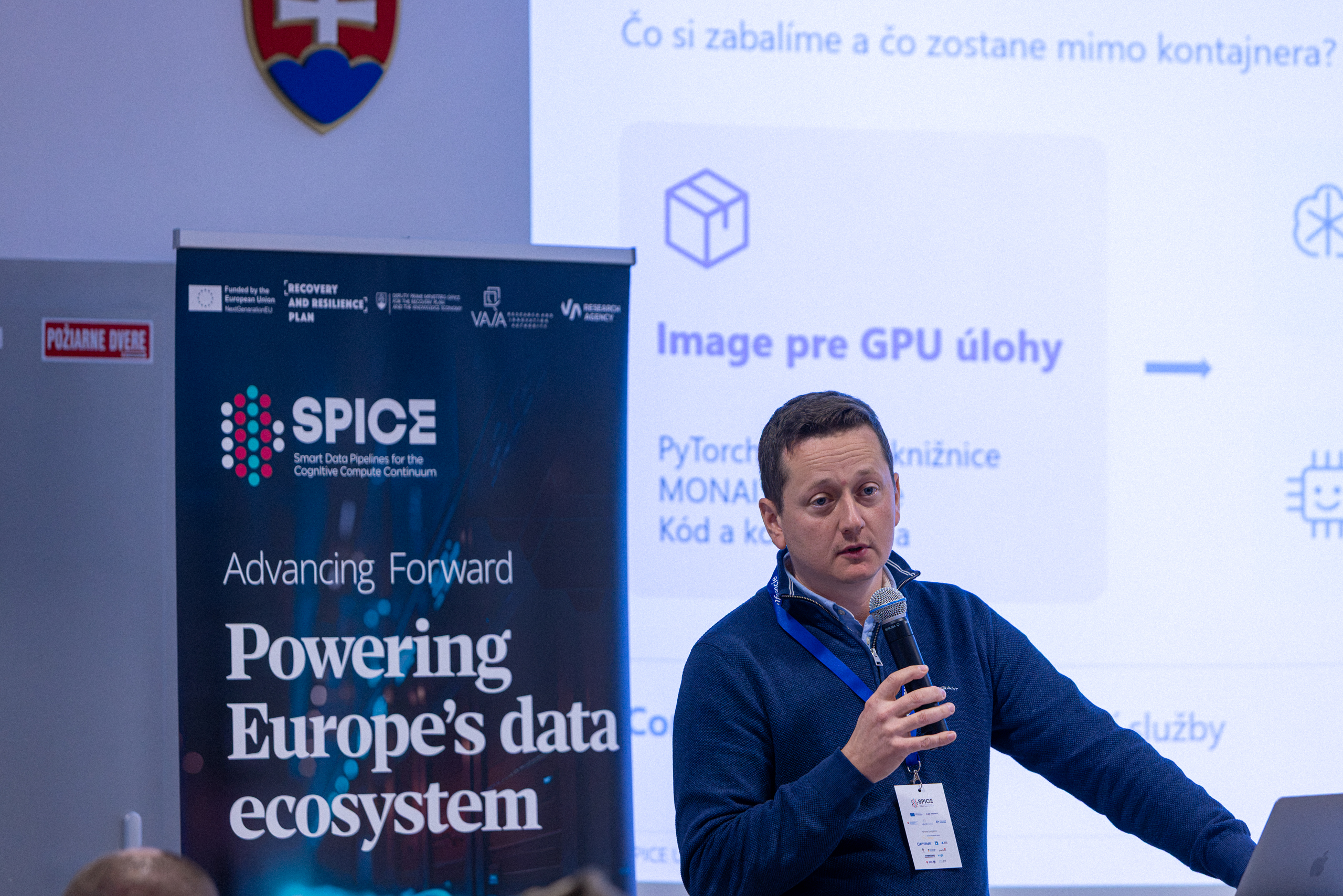
Michal Staňo of the Institute of Informatics of the Slovak Academy of Sciences presented the UC4 extension, the full journey from a CT scan to the final result. A model from the MONAI library (3D DynUNet) learns to segment organs, which means assigning a class to every voxel.

Because hospitals are reluctant to move sensitive scans into a single database, the project uses federated learning. The model travels to the data, and only its updates are exchanged between sites. The experiment runs in NVFlare with four simulated clients and the ConDistFL method, which can also handle partial annotations. A missing label does not mean a missing organ.

The individual steps are connected by the Domino tool built on Apache Airflow, while Docker provides a reproducible environment. Staňo stressed that a green workflow does not yet mean a good prediction, and that GPUs should be checked at every layer before a large training run. Computing capacity will be boosted by a new node at the Institute of Informatics with eight NVIDIA H200 GPUs (141 GB of memory per GPU). The PERUN supercomputer adds 76 accelerated nodes and 304 Grace Hopper GH200 GPUs.

Pituitary Gland and Histopathology Under the Microscope

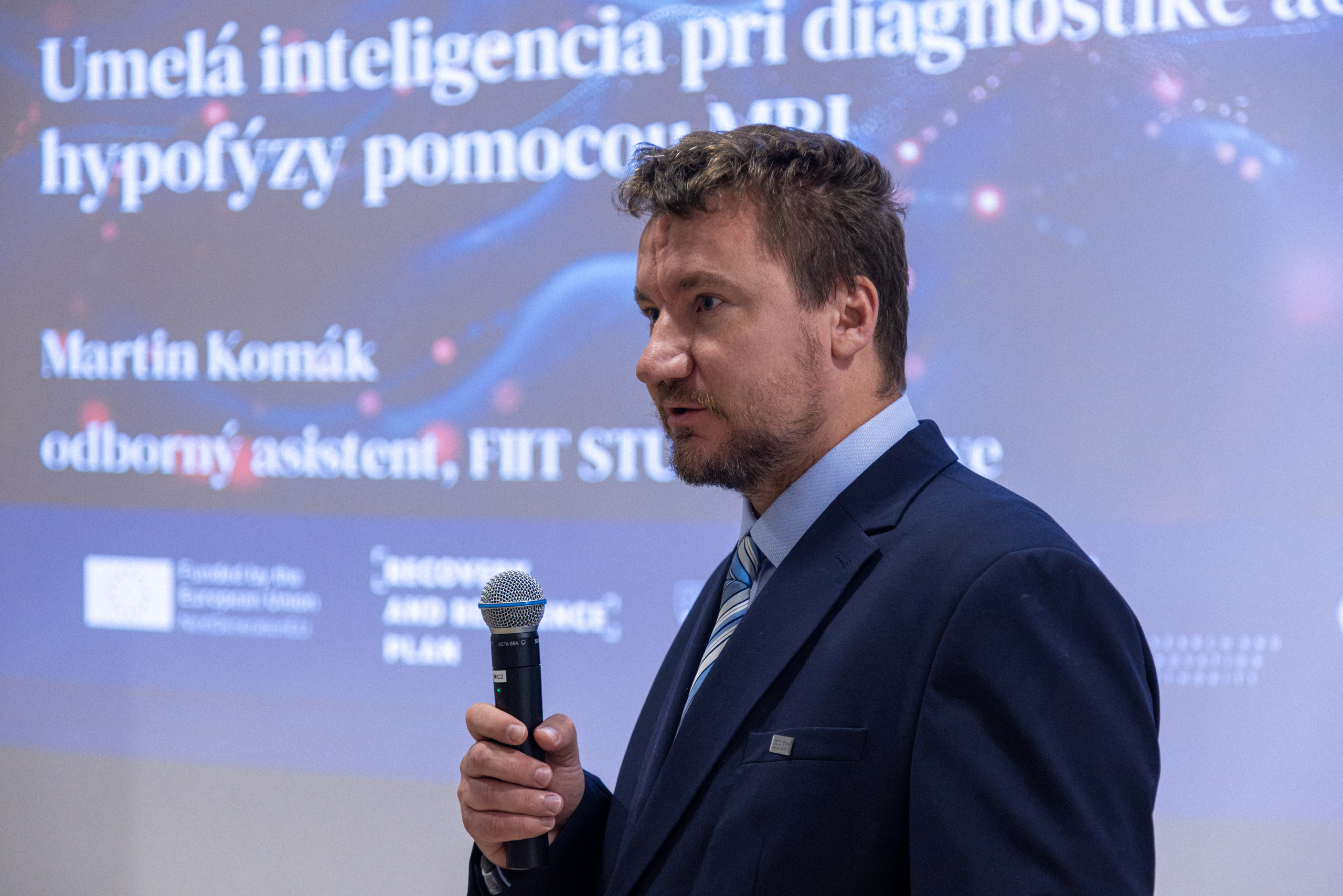
Martin Komák‘s team from FIIT STU presented two medical studies. For MRI scans of pituitary adenomas, an EfficientNet-B3 + U-Net++ model segments both the tumour and the surrounding structures. On eight test cases, it achieved a Dice score of 0.831 for the healthy gland and 0.806 for the tumour, but only 0.175 for the optic chiasm. This shows that the tumour score alone is not enough. 

In histopathology, the team compared three networks on breast tissue samples from the BEETLE dataset. In internal testing, U-Net achieved an average Dice score of 0.779, TransUNet 0.884 and nnU-Net 0.947. The speakers also cautioned that success on breast tissue says nothing yet about the clinical goals of UC5. Those goals are predicting the recurrence, invasiveness and consistency of pituitary tumours, and they require new annotations and independent validation.

Scroll to Top